

What to do with the horses of Darndale?
Grazing in public parks means other uses are being pushed out, and adding momentum to calls for an equine centre and stable club to properly support horse culture in the area.
The chapel on the ground floor is too small for a theatre “but it's the kind of place where you could have recitals, a piano player or string quartet”, says Diego Fasciati, the executive director.

Irish National Opera has bought the former Methodist Church on Abbey Street Lower in December for €2.5 million, after raising money from private philanthropists, and now plans to transform the space into a performing arts venue.
“We recognised that we had a strategic need to have some assets and to have a space for opera,” says Diego Fasciati, the executive director.
The red-brick building – which has four rows of windows – looks four storeys from the outside, says Fasciati, but inside there are only two, each with ceilings twice as high as normal rooms. “Which is perfect for us,” he says.
The chapel on the ground floor can be used for recitals, he says. It's not big enough for a theatre, and there is no backstage. “But it's the kind of place where you could have recitals, a piano player or string quartet,” says Fasciati.
A large room upstairs will be ideal for rehearsals, for themselves and to let out to other groups. Performing arts groups struggle to find spaces in the city, says Fasciati.
Smaller rooms will work for offices.
Councillors have welcomed the move. “These types of buildings have such incredible acoustics built in,” said Social Democrats Councillor Cat O’Driscoll. “It's a fabulous fit for them.”
She has attended a church-turned music and arts venue at the Triskel Arts Centre in Cork, she says. “It's really using the space for what it is designed for,” she says.
The council bought St Werburgh Church, on Castle Street, to renovate for community and cultural uses too, she says.
The building, once home to Dublin Central Mission, is on the council's Record of Protected Structures, so the revamp won’t change the outside or the inside structurally, says Fasciati. “We’re not going to change the layout of the building; it is perfect for us."
Works will include installing a lift, upgrading electrics, and soundproofing between the floors, he says.
It will cost a few million to do it up, he says. They are in talks with both Dublin City Council and the Department of Culture, he said.
The Dublin Central Mission building hosted a wide range of community uses before it shut, said Green Party Councillor Janet Horner.
 Laoise Neylon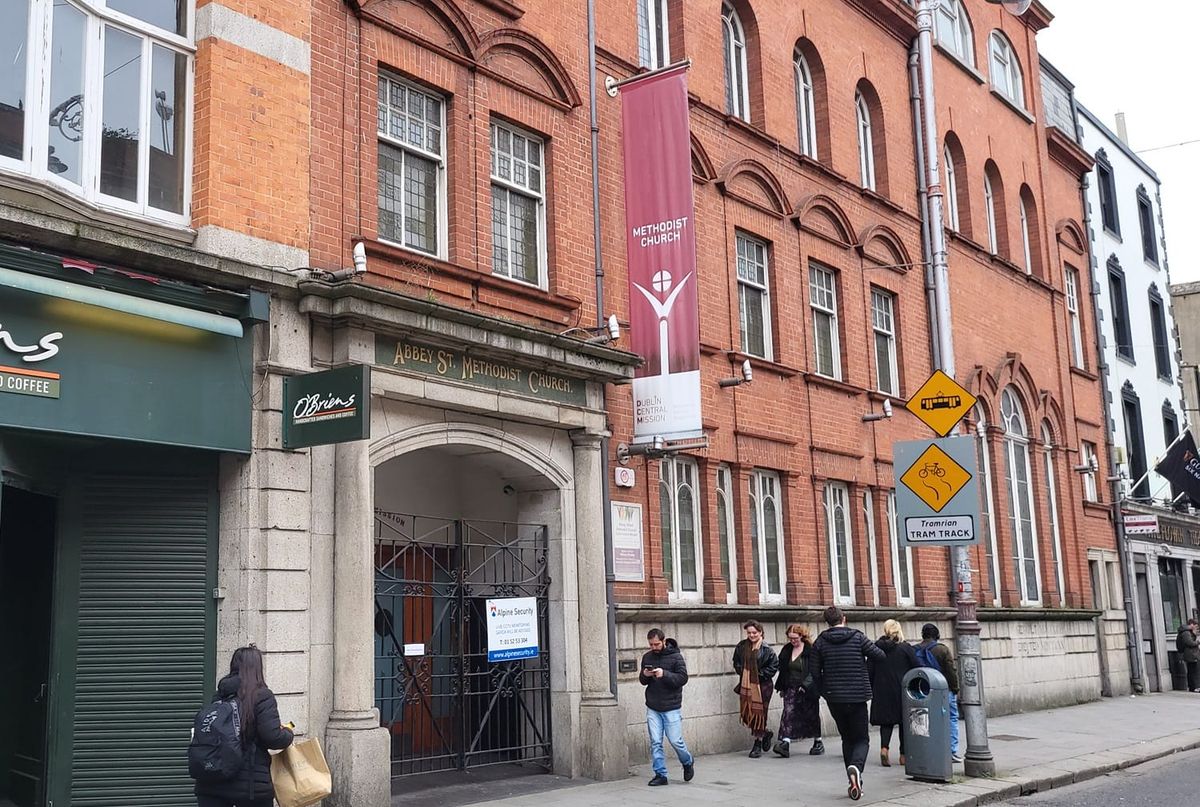
“When it went up for sale, I was nervous it could be turned into a hotel,” Horner says. So she was happy when the opera took an interest, she says.
She helped them along the way, she says, and she thinks that the cultural use is a great outcome for that building. “It's a fantastic space,” says Horner. “And they will open it up to a lot of different cultural uses.”
Dublin City Council is running initiatives to engage a wide range of people with opera, including Opera in the Park, says Horner, when the council invites people to rock up with picnic blankets and snacks for open-air performances.
She hopes having an opera company based in the north inner-city will make it more accessible for everyone, she says. “Opening it up would be perfect."
Says O’Driscoll: “It's great they are putting themselves in the inner-city."
Already, Fasciati has shown the building to around 30 other performing arts groups and there was plenty of interest, he said.
Irish National Opera runs workshops for young people too, and those feature in plans. “We want to launch a year-round youth opera programme,” he says.

Grazing in public parks means other uses are being pushed out, and adding momentum to calls for an equine centre and stable club to properly support horse culture in the area.

Like, what'll be the route to dig up the footpath and lay down a wire?

Dublin City Council's planning committee backed a motion on Monday to call on the Minister for Housing to broaden the legal definition to include long-term vacancy.

Some experts worry about the impact of the new rules, especially on more vulnerable households, as they await guidance on the details of how they will be implemented.