

“It’s giving colonialism”: Ireland still owes rent to dukes and earls
Although, even though the OPW lists these rents as payable, some of the named beneficiaries say they haven't been getting them.
Vestry Limited Partnership owns more than 1,000 homes across Ireland.

It’s unclear if current tenants in an apartment on Patrick Street know the rents were set too high in the past – and whether they’ve been dropped back since.
The intercom didn’t seem to be working on Thursday morning, and a note under the door earlier in the week went unanswered.
Vestry Limited Partnership – the big landlord that owns the apartment – was sanctioned by the Residential Tenancies Board (RTB) in October last year for not following rent-setting laws.
It’s one of four orders against Vestry for breaching the rules for rent rules, affirmed by the Circuit Court, and recently published in the RTB’s database.
The sanctions total €26,000 across three of the cases, including a penalty of €10,000 for the Dublin rental, the records show. The other two cases were for properties in Kilcock and Galway.
In another case, for a property in Newbridge, Vestry was just issued a written warning for the breach.
RTB decision makers can fine up to €15,000 for each breach, but set the rate depending on several factors such as any acknowledgment of improper conduct, the seriousness, cooperation and steps taken to fix any loss.
An RTB spokesperson said that it couldn’t comment on investigations, beyond what it publishes online.
So, they wouldn’t say if, and if so in which cases, Vestry acknowledged its improper conduct, and whether it lowered the rents, and reimbursed any affected tenants.
Since setting up in September 2019, Vestry has gathered a portfolio of more than 1,000 properties across Ireland, show land registry records.
That includes about 250 properties, which as of April last year, were rented to accommodation provider Leevin Ireland, which then sublets them on to renters in mostly shared rooms.
The apartment on Patrick Street was previously one of those properties. But it hasn’t been since August 2025, said Eduardo Gonzago, executive director at Leevin, by email.
He didn’t directly answer a query as to whether Leevin Ireland was the tenant that Vestry had been found to have overcharged.
 Lois Kapila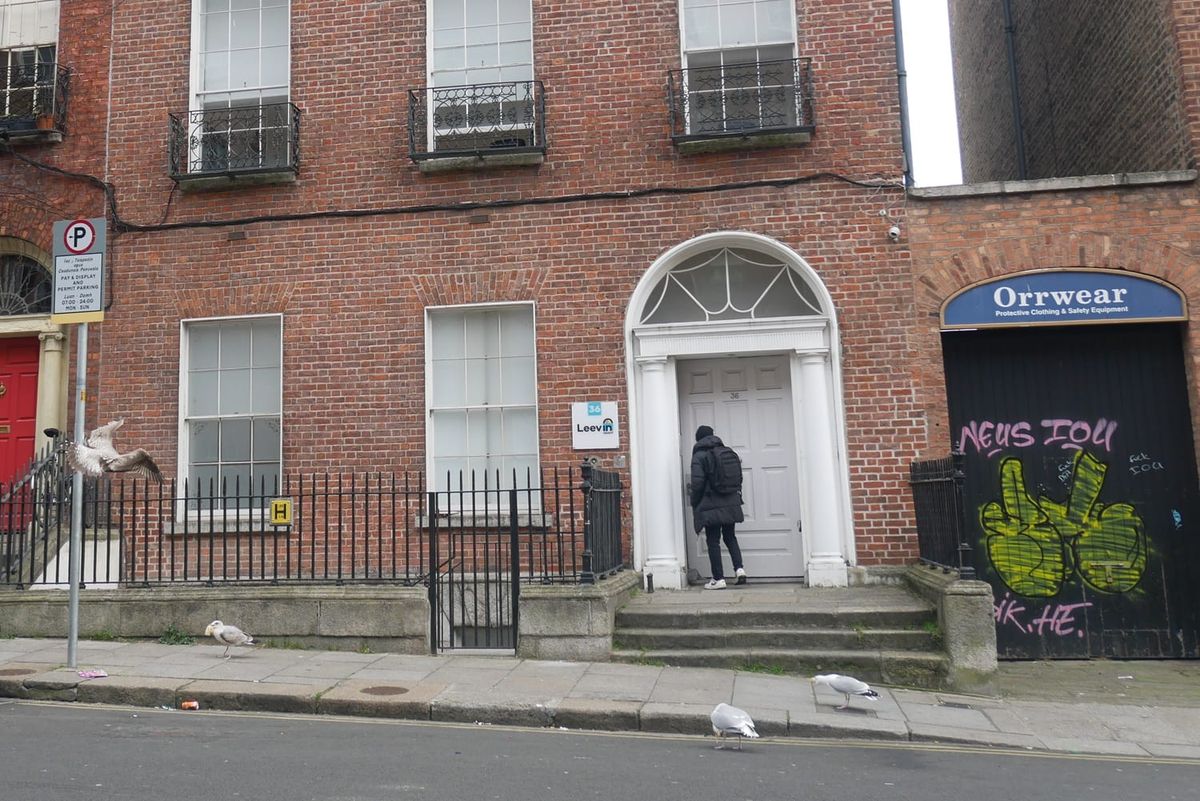
A spokesperson for Vestry didn’t respond to queries, including, around how these rent breaches had come about, and whether the rents had been lowered as a result, and if it had reimbursed affected tenants.
The RTB’s investigations and sanctions process – which involves gathering evidence, response periods, and going to court – can take years.
So, exactly what period the breaches cover isn’t clear from the information published by the RTB on its website.
In March last year, the RTB’s chair, Rosemary Steen, wrote to the Housing Agency – while it was reviewing rent-setting rules – flagging how long and complex the current sanctions process is.
She also pointed to how the RTB is limited in the kinds of sanctions it can issue.
“Currently, the sanction decision cannot compel a landlord to refund or reset the rent, nor can it inform the tenant that their rent is in breach,” she said.
 Lois Kapila
“This means landlords who do not engage with the investigation process may continue to breach after receiving a sanction,” she wrote.
“Decisions should be able to compel landlords to change their rent,” she wrote.
But the government pulled back from making changes to sanctions processes or powers as part of the recent round of big changes to rental sector law.

Although, even though the OPW lists these rents as payable, some of the named beneficiaries say they haven't been getting them.

They're set to back the creation of a special purpose vehicle he's been picked to head, which is meant to play a major role in regenerating the city centre – but how major is in dispute.

Social tenants who live in the private Liberties complex Grand Canal Harbour say they're not allowed to use many of the common facilities there.

Gone is the hardman shtick, the macho bravado once associated with hip hop, rapper and producer Michael Ward, who goes by Mickzart. “We’re after something true.”