

Maybe people shouldn't be able to collect social welfare at GPO, Arnotts lobbies
The company behind the Henry Street department store raised the idea with the man in charge of the regeneration of the city centre, returns show.
Opposing the motion, Fine Gael Councillor Ted Leddy said he'd urge people to keep in the front of their thoughts people who are in danger of homelessness, who are homeless, or who are living at home with their parents in their 30s.

On Thursday, most councillors at a meeting of the local area committee for the west of Fingal voted against a motion to shrink the area marked for development in the Draft Dunsink Urban Area Plan.
That plan maps out what should be built in the years ahead on 425 hectares, a giant triangle inside the M50, west of Finglas, and north of the Navan Road. It foresees about 18,500 homes there, built in phases over time.
The plan carves the Dunsink lands up into eight areas, and charts out transport links, different uses, amenities and greenspaces, and rough building heights.
At Thursday's meeting, National Party Councillor Patrick Quinlan put forward a motion to call on Fingal County Council to cut one of those eight areas, the "Dunsink East" bit, from the plan, "and to retain the lands concerned as undeveloped open ground and habitat".
On the plan's maps, Dunsink East is north of Tolka Valley Park, south of Dunsink Lane, and bordering on the homes on Westwood Avenue, Westwood Road and other residential streets west of Ratoath Road.
Quinlan said he had been out speaking to people protesting against the plan, about the heights and about the importance of biodiversity in this area, which is mentioned too in the plan itself.
Dropping Dunsink East from the plan would only cut out 2,500 homes, Quinlan said. That's not a massive impact, he said.
A member of a party that "advocates a policy of remigration", Quinlan has also framed his criticism of the plan through an anti-immigration lens, talking in other fora about who the homes eventually built at Dunsink will be "actually for".
"The plan still contains no clear tenure breakdown and no enforceable commitment that local Irish people will be able to buy or rent these homes," he recently told Gript.
Solidarity Councillor John Burtchaell seconded Quinlan's motion. But only to allow the debate, Burtchaell said – because he was against the idea of dropping Dunsink East from the plan, and voted against the motion at roll-call.
"We have a historic opportunity here, in the face of a catastrophic housing crisis," Burtchaell said.
The vast majority of the site is in public ownership, he said, so they should have social and genuinely affordable housing with council mortgages.
"We can't just go on, with the homeless numbers rising, with children going into emergency accommodation," he said.
That doesn't mean trampling over existing communities, he said, and it doesn't mean overdevelopment and high-rises looming over two-storey homes. He agrees with that, he said.
But they need the homes supported by "green infrastructure", he said.
In the end, 13 councillors voted against Quinlan's motion, with only him voting in favour.
More than 1,000 submissions poured into the public consultation on the plan, which ran from 19 June until 31 July.
The point of the plan is to encourage sustainable and compact development, it says. More broadly, "a residentially led, mixed-use urban quarter that integrates housing, employment, community, infrastructure and green infrastructure in a coordinated manner".
But there has been pushback – around the impact of traffic and the transport network, about the loss of biodiversity, and about the heights of planned new buildings near long-standing low-rise communities.
 Eoin Glackin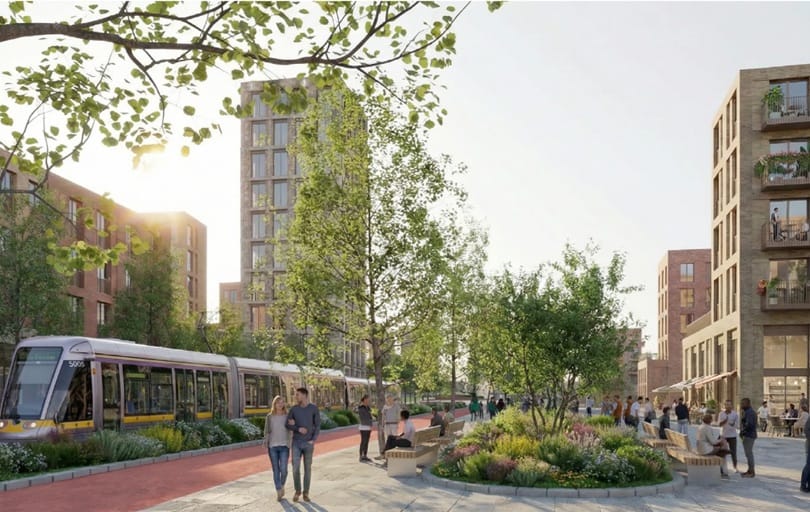
At Thursday's meeting, Deirdre Fallon, a senior planner with Fingal County Council, said her team is now going through submissions that came in through the consultation.
Next, they'll prepare what is known as the "chief executive's report" responding to any issues raised, and making recommendations as to whether to change parts of the plan to accommodate those issues or not.
They hope to issue that report by next Friday 11 September, said Fallon at the meeting.
Any changes they suggest will be up for discussion at a special full council meeting in October about the plans, said Fallon. Members can bring forward motions at that meeting too, she said.
John Walsh, a Labour councillor, said that process was one of the reasons why he wasn't backing Quinlan's motion before the committee.
It wouldn't mean the plan was amended even if they agreed it, Walsh said. It would be giving residents the impression councillors had changed it, when that couldn't be done at this meeting, said Walsh.
The council needs to build housing in Dunsink, he said. And they can do that while listening to legitimate concerns from residents about the impact on homes and the loss of green spaces, said Walsh.
Fine Gael Councillor Ted Leddy said he opposed cutting Dunsink East, which was basically phase one of the plans.
But also, councillors hadn't yet seen what council planners were coming back with, since the public consultation. "It's a premature motion," he said.
All councillors are getting calls from people with concerns about Dunsink, Leddy said.
But he would urge people to keep in the front of their thoughts people who are in danger of homelessness, who are homeless, who are living at home with their parents in their 30s, said Leddy.
"They're the kind of people I would be thinking about first and foremost," he said.
 Sam Tranum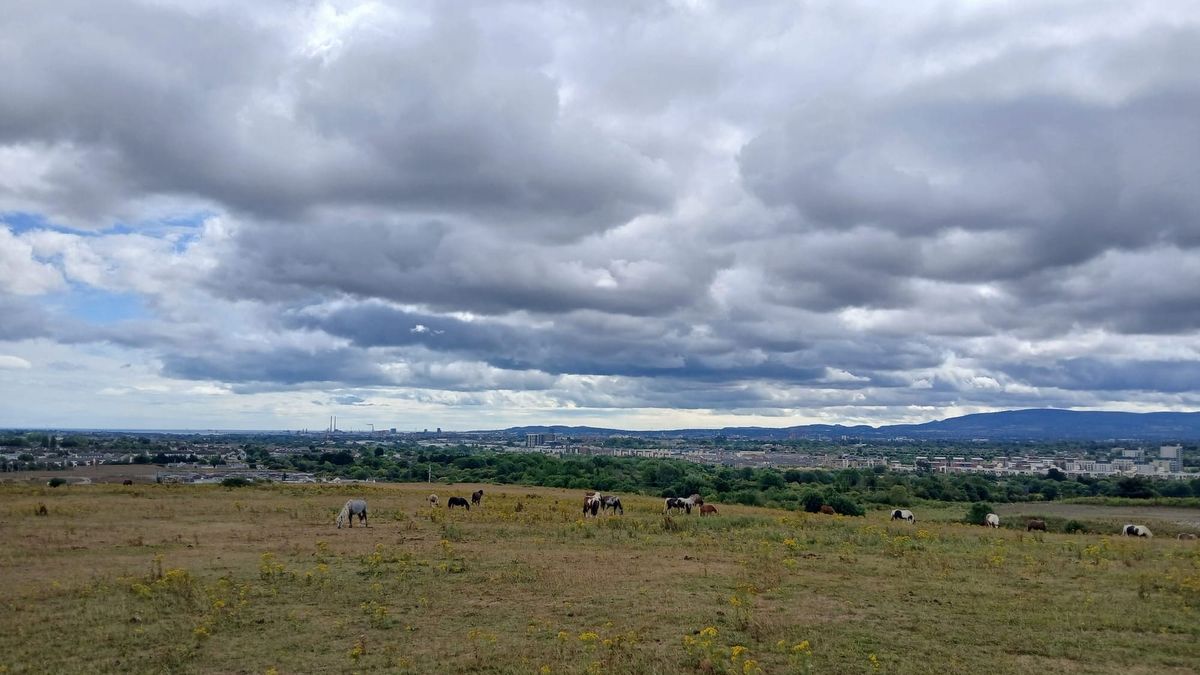

The council's chief executive said their changes would slow down delivery of thousands of homes.

There are questions about who's doing the monitoring, what they're checking for, and whether all the monitors are even working.

Chief Executive AnnMarie Farrelly had suggested nudging it up a bit.

Councillors were brought through the council's capital programme for 2027 to 2029 at the meeting on Monday.