

“It’s giving colonialism”: Ireland still owes rent to dukes and earls
Although, even though the OPW lists these rents as payable, some of the named beneficiaries say they haven't been getting them.
But councillors wonder whether the new-ish Residential Zoned Land Tax will prompt Dublin City Council to build more homes – or just push it into selling off its lands.

For last year, Dublin City Council was hit with a bill of €6.3 million for 62 sites across the city that it owns where housing could theoretically be built, but hadn't been.
That was what it owed the Revenue Commissioners in Residential Zoned Land Tax (RZLT), which is currently levied at 3 percent of the market value of a site that is zoned residential but remains undeveloped.
"The principal purpose of the tax is to encourage the timely activation of zoned and serviced residential development land for housing," the council's website explains.
The council has paid €3.9 million of that to the Revenue Commissioners so far, according to records the council has released under the Freedom of Information Act.
It has applied for deferrals in respect of the remaining €2.4 million, according to a letter released with the records.
A landowner can defer paying for a few reasons, like if they've started developing the site. If they finish building in time, they wouldn't have to pay – but the tax stays hanging over their head until then.
The purpose of the tax is to change behaviour, said the Tánaiste and Minister for Finance, Fine Gael TD, Simon Harris, in a Dáil statement in July. "To encourage the use of residential zoned and serviced land for the purposes of building homes," he said.
But some councillors say the new tax won’t motivate the council to develop land faster, because the cumbersome process for it to get funding for new housing is outside the council officials' control.
Often, they can't build projects any faster, even with millions in penalties hanging over their heads.
“Dublin City Council do hold some blame, but they are also victims of government policy,” says People Before Profit Councillor Conor Reddy.
Fine Gael Councillor Danny Byrne says that in those cases, there's another solution. If the council can't develop the land, it should sell it to someone who can, he said.
Dublin City Council owns too much vacant, residentially zoned land, said Byrne, the councillor.
The Revenue Commissioners collected around €58.8 million via the Residential Zoned Land Tax from landowners across Ireland in 2025.
Dublin City Council says it paid €3.9 million of that, which would mean it accounted for around 6.6 percent of the national take.
And Reddy, the People Before Profit councillor, says some Dublin City Council-owned sites might not be accounted for yet, because the council is just in the midst of mapping all the land it owns at the moment, he says.
 Lois Kapila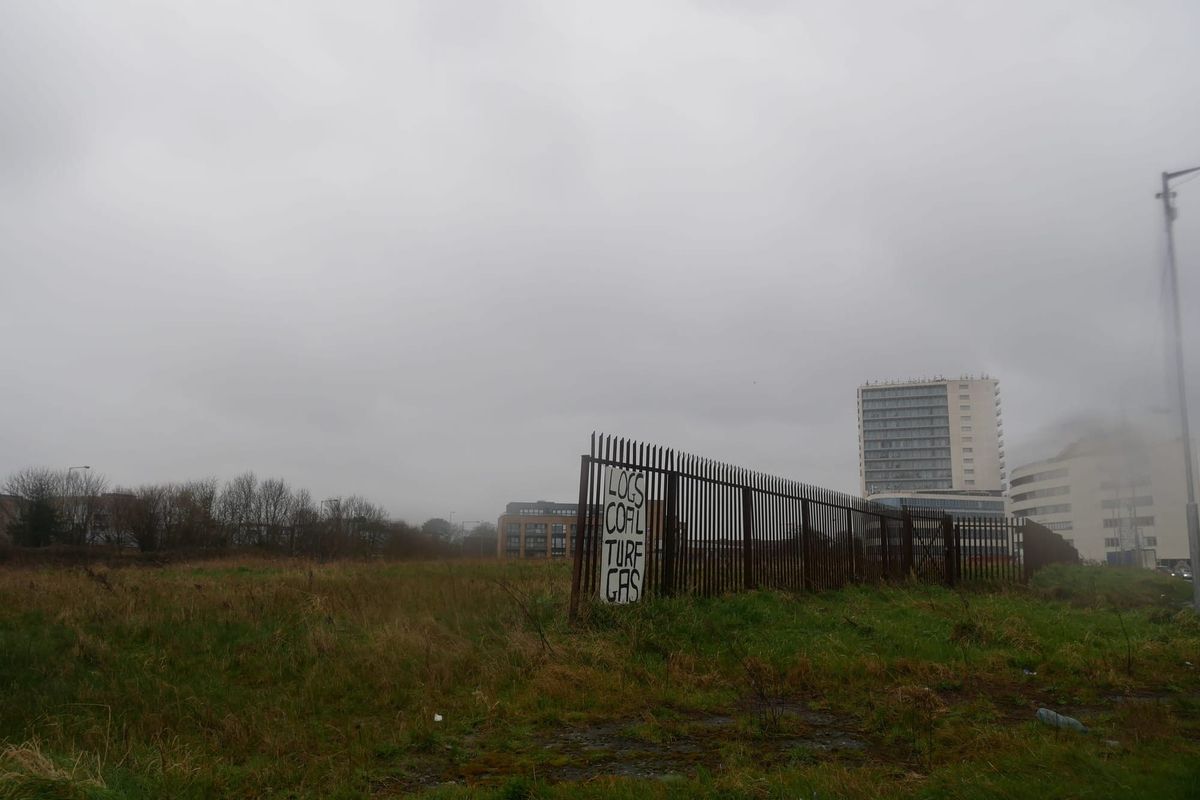
However, it appears that the council is already building on some of the sites in the list it got taxed for in 2025, such as the former St Teresa's Gardens site off Donore Avenue, and the Bluebell Waterways Phase 1 site, for example – both with the Land Development Agency.
Also, the council has plans in the works to build homes on many other sites on the list, according to its most recent housing supply report.
Of course, there are other sites on the RZLT list that don't appear on the council’s housing supply report, at any stage of development. Dublin City Council didn’t respond to questions about this in time for publication.
Sinn Féin Councillor Séamas McGrattan says that in some cases, when a site is not on the housing supply report, the council is carrying out local consultation informally to try to progress development.
In his experience, each time he inquired about a vacant site in his area it turned out the council was trying to develop it. “There are often reasons why sites are not being developed,” he says. “Every site has a different story.”
The council has to apply to the Department of Housing for funding to develop land and securing that funding takes a long time, says McGrattan.
“The fine [the RZLT] won’t incentivise the council to go more quickly, I just think it's a pointless exercise,” McGrattan said. “Ultimately that money would be better spent on building."
Of course, only 3 percent of Dublin City Council staff currently work in housing delivery. Although the council has applied for more staff in that department.
McGrattan, who chairs the finance committee, says the council’s budget is tight. Most funds are already allocated to a purpose, so he doesn’t know where the council found €3.9 million to pay the tax.
Since the council cannot afford the tax, managers might well advise councillors to sell some of the vacant sites to avoid being hit with the RZLT on them, he says.
That is also a concern, says Reddy, the People Before Profit councillor.
Central government has been pushing the council to rezone more land for housing, which it has been doing.
As this continues, the council's bill for the Residential Zoned Land Tax is also likely to increase, Reddy says. That, in turn, could lead to more arguments in favour of the council selling off public land, he says.
“The management do want to do more disposals at the moment,” Reddy says. “They are trying to de-toxify the idea of selling public land.”
At one stage, most councillors were against that idea of selling public land, but recently some are shifting in favour of the approach, he says.
Reddy only supports the council selling property in very specific cases, he says. “Once it's gone, it's gone,” he says.
Danny Byrne, the Fine Gael councillor, said the figures show the council is sitting on too much vacant land, and so it needs to sell some of it.
“How can we preach to others when we are sitting on sites and properties that should be brought into use?” he says. “DCC needs to lead by example and be decisive and develop these sites or dispose of them to others to develop.”
If the council builds homes on its own land, most of them are usually social and affordable homes. Whereas if it sells the site to a private developer, most of the new homes are likely to be market-rate.
Reddy says the council's chief executive, Richard Shakespeare, is partly responsible for directing limited council resources towards projects which, in Reddy's view, should not be its main priority.
Instead, he should focus his efforts on building homes on these vacant, residentially zoned sites the council owns, Reddy says.
“We have very limited borrowing capacity,” says Reddy, so the council shouldn’t be borrowing to build new offices for itself, in a €600 million+ project that is likely to be very complicated.
“That demonstrates a choice on behalf of the CEO,” says Reddy.
 Lois Kapila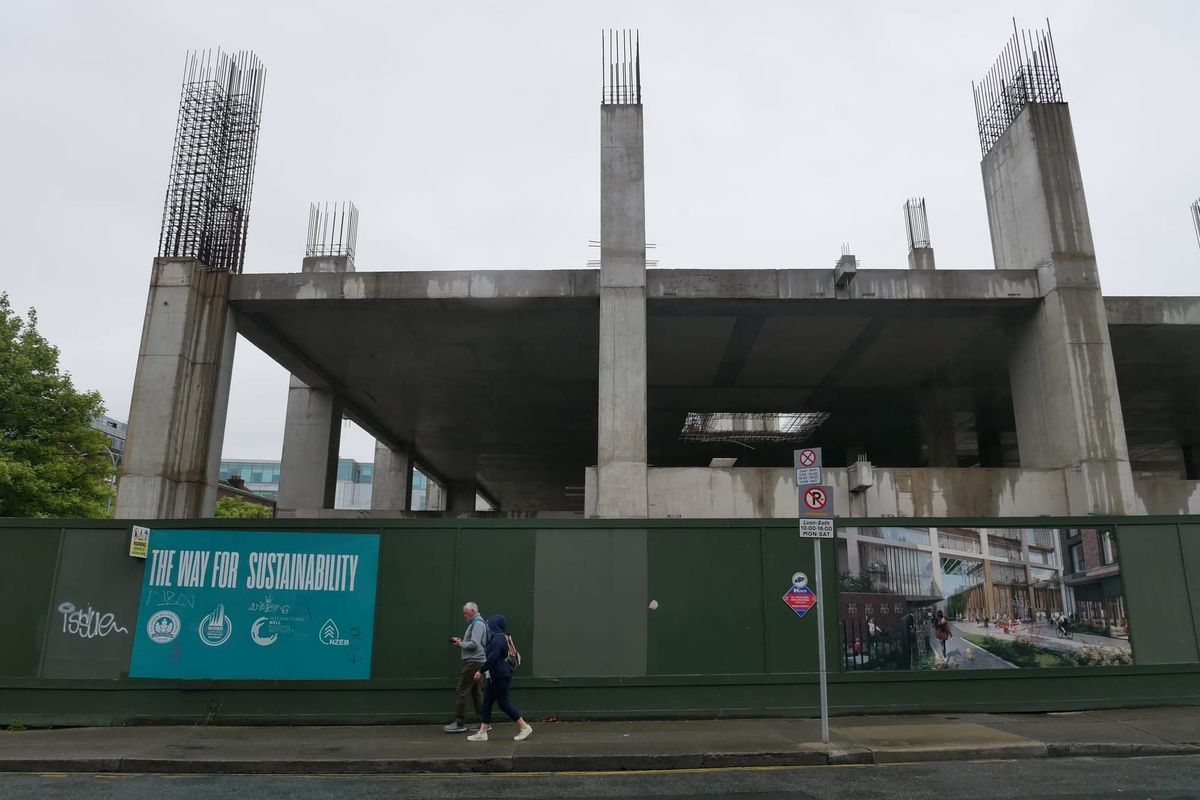

Although, even though the OPW lists these rents as payable, some of the named beneficiaries say they haven't been getting them.

They're set to back the creation of a special purpose vehicle he's been picked to head, which is meant to play a major role in regenerating the city centre – but how major is in dispute.

Social tenants who live in the private Liberties complex Grand Canal Harbour say they're not allowed to use many of the common facilities there.

Gone is the hardman shtick, the macho bravado once associated with hip hop, rapper and producer Michael Ward, who goes by Mickzart. “We’re after something true.”